All Categories
Featured

Why Transition Towards Sustainable Commercial Landscaping?
Table of Contents
"People do not recognize that mainstream plants such as camellias and boxwood, for example, can go months without water," said gardener Tom Ash of WeatherTRAK, a company that developed weather-based sprinkler timers that water just when they sense your plants need it. "Property owners on average overwater their landscapes by half," he stated.
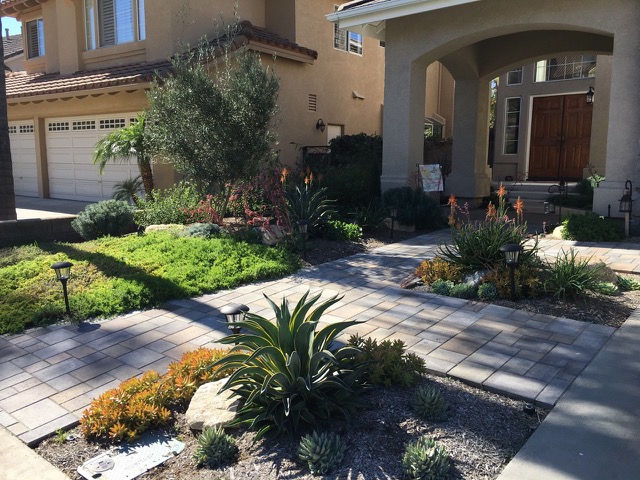
A California-friendly landscape is about the plants. And it is likewise about the plant keeper: the property owner who chooses when and how much to water and takes an active role in where the water goes.
If you think yuccas are yucky, dig a little much deeper into your gardening books to discover plants that rely on a lot less water than maybe you believed. Daffodils don't require a drop of water in the summertime, if you get my drift.
Yard is the largest water drinker in the landscape, requiring 70 percent of the landscape water we utilize. Water less.
Scaling Sustainability Projects Across Los Angeles
You may be impressed at just how much your plants can live without. Do not waste water. Ash states that of the 70,000 gallons we use on landscapes a year, half is squandered in overflow, irrigation leakages and overwatering. Control overflow. According to the Surfrider Structure and Orange County Coastkeeper, letting water hit the curb for any reason is bad.
Commercial Landscaping Orange CountyMulch like there is no tomorrow. 3 inches of mulch go a long method toward retaining the water we do utilize. If you believe you are already competent at conserving water in your landscape, you can check your nerve to discover out. The countywide California Friendly Landscape Contest runs through June 1.
All gardens will be evaluated by the public very first ("American Idol"-design), who can see and vote online at from June 1 to July 1. Discover about the plants you currently have.
Comparing Standard Versus Drought-Tolerant Irrigation Systems
Group plants according to water needs. 2. Expand your plant scheme. California-friendly plants can include and are not limited to ornamental turfs, bulbs, shrubs, locals, succulents and many plants from Mediterranean environments worldwide. 3. Pay attention to design. Not all drought-tolerant landscapes require to be dull as dirt. Let a creative design, and not always the plants, take center phase.
The judges will be looking for 3 inches at least. Set up a weather-based timer that senses the wetness level in your soil and the air and combines the info with understanding of your landscape to water just when your plants require it.
Discover to read your landscape, look at the soil and plants and think about the environment before you flip the water switch on. Make sure a single drop never strikes your driveway or the gutter. Look into permeable hardscape products such as pavers and gravel that filter water before it drips into the watershed.
Go organic. Give drier landscapes a great track record by keeping your landscape pinched and pruned to perfection. Low water does not suggest low maintenance.
All gardens will be judged by the public first ("American Idol"-style), who can view and vote online at from June 1 to July 1. Finalists will then be selected by a panel of judges. Discover contest details, guidelines and application information at . 1. Learn more about the plants you already have.
Modern Commercial Real Estate Maintenance Strategies
Group plants according to water requirements. 2. Broaden your plant combination. California-friendly plants can include and are not restricted to ornamental grasses, bulbs, shrubs, natives, succulents and many plants from Mediterranean environments worldwide. 3. Pay attention to design. Not all drought-tolerant landscapes require to be dull as dirt. Let an innovative design, and not necessarily the plants, take center phase.

Mulch, mulch, mulch and do not forget to mulch. The judges will be searching for 3 inches at least. 5. Install a weather-based timer that senses the moisture level in your soil and the air and integrates the details with knowledge of your landscape to water just when your plants need it.
Be your own wise timer. Discover to read your landscape, take a look at the soil and plants and consider the environment before you turn the water turn on. 7. Control overflow. Ensure a single drop never ever hits your driveway or the rain gutter. 8. Look into permeable hardscape products such as pavers and gravel that filter water before it drips into the watershed.
Adopting New Sustainability Reporting for 2026
Go natural. Enough said. 10. Offer drier landscapes a great track record by keeping your landscape pinched and pruned to perfection. Low water doesn't imply low upkeep. Low maintenance does not indicate sloppy. or 714-796-5023.

Latest Posts

Is the Landscape Strategy Meet New ESG Goals?

Modern Commercial Real Estate Maintenance Strategies

Evaluating Traditional Vs. Sustainable Maintenance ROI