All Categories
Featured


Exceeding 2026 Sustainability Standards for Southern California
Table of Contents
That matters, considered that the energy plants account for about half of the water utilized on campus in a common year.
This website describes how to design and install California friendly landscaping, irrigation methods and devices that will help you water your landscape more efficiently, and tips on how to quickly and efficiently preserve your garden. Please click Lawn to Garden for instances of gardens which contain design parts that are turf refund eligible.
2004-2025 Jadene Mayla, All Rights Reserved.
"Sustainable landscapes are responsive to the environment, re-generative, and can actively add to the development of healthy communities. Sustainable landscapes sequester carbon, tidy the air and water, increase energy performance, restore environments, and produce worth through considerable economic, social and, ecological benefits." - From the American Society of Landscape Architects WE CAN DRASTICALLY REDUCE YOUR LANDSCAPES WATER AND ENERGY USAGE, WHILE PRODUCING A MORE LUSH, BEAUTIFUL, AND ECOLOGICALLY SUSTAINABLE GARDEN SPACE FOR YOU AND YOUR FAMILY TO DELIGHT IN! We believe a garden needs to be naturally stunning and in balance with the regional environments.
We utilize just the most effective water-saving and lighting technology in our styles that require just a portion of the water and energy that older systems utilize. CBL create habitat for local and migratory bird in addition to helpful insect populations. We mostly uses natural fertilizers and mulches in our designs and starts non-toxic pest control programs for all our tasks.
SoCal Landscaping Calendar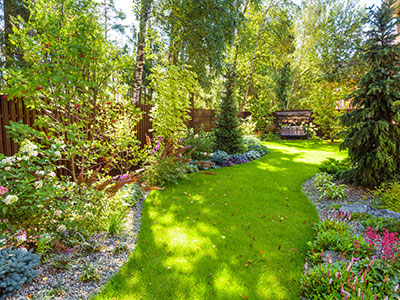
Sustainable Landscape Maintenance Trends in 2026
It is our mission to produce outside spaces that are gorgeous and vibrant, that need little water and energy, are healthy and delighted spaces for our clients to delight in, which also offer functional benefits to our regional environment.
SoCal Landscaping CalendarRaptors (e.g. hawks, owls, falcons) are large, charming bird species at the top of the food cycle. They experienced human-driven population crashes during the 19th and 20th centuries. While a subset of these species has recuperated in the Los Angeles area, others have not and are intolerant of urbanization and other human activities.
Nesting areas of raptors are likewise important signs of ecosystem health in city areas like the Los Angeles area. A number of federal government agencies, developers and not-for-profit organizations gather information on urban-nesting raptors around the Los Angeles Basin, however these efforts are not well-coordinated. If this details can be combined, it will be beneficial to creating management tools like maps and databases that can assist assist local policy and land-use choices.
Comprehensive water recycling, with 70-80% percent of stormwater runoff from around the site filtered through natural wetlands and mechanical systems, and after that used to irrigate the surrounding parkland. 4,609,504 gallons of rainwater caught annually. Annual carbon emissions decrease due to planting location of about 240,000 pounds of CO2 sequestered by trees on website 16.65 acres of total planting area (5.4 acres at SoFi Stadium, 2.75 acres at Lake Park, and 7 acres of streetscape planting, amongst others 6-plus miles of brand-new routes and courses (4.17 miles of improved linear streetscape including pathways, 1.89 miles of brand-new multi-use tracks, and about 2,300 direct feet of brand-new Class II on-street bikeways) More details in the complete news release below: a near 300-acre sports and home entertainment location being developed by dealt with a landscape architecture and city design studio, to create civic and environmentally conscious landscape services across 3 crucial areas: water capture and reuse, the utilization of 100 percent Southern California-native plant species, and the ongoing advancement of public parks for year-round use.
Motivated by the initial water function that was part of the previous Hollywood Park racetrack, Lake Park consists of an upper and lower lake separated by cascading waterfalls. At around 6 acres and 16 million gallons of water, the lake is surrounded by an additional 6 acres of parkland. The lake functions as a water recycling system by gathering 70-80 percent of stormwater runoff from around the website, filtering it through natural wetlands and mechanical systems, and then using it to water the surrounding parkland.
Future-Proofing Southern California Commercial Landscapes Against Drought
Extensive water recycling, with 70-80% percent of stormwater overflow from around the site filtered through natural wetlands and mechanical systems, and then used to irrigate the surrounding parkland. 4,609,504 gallons of rainwater captured each year. Annual carbon emissions reduction due to planting area of about 240,000 pounds of CO2 sequestered by trees on site 16.65 acres of overall planting area (5.4 acres at SoFi Arena, 2.75 acres at Lake Park, and 7 acres of streetscape planting, to name a few 6-plus miles of brand-new routes and paths (4.17 miles of enhanced linear streetscape including sidewalks, 1.89 miles of brand-new multi-use tracks, and about 2,300 direct feet of brand-new Class II on-street bikeways) More details in the complete news release listed below: a near 300-acre sports and home entertainment destination being developed by dealt with a landscape architecture and urban design studio, to produce civic and environmentally mindful landscape solutions throughout three crucial locations: water capture and reuse, the usage of one hundred percent Southern California-native plant types, and the ongoing advancement of public parks for year-round usage.
Inspired by the original water feature that belonged to the former Hollywood Park racetrack, Lake Park consists of an upper and lower lake separated by cascading waterfalls. At roughly 6 acres and 16 million gallons of water, the lake is surrounded by an additional 6 acres of parkland. The lake functions as a water recycling system by collecting 70-80 percent of stormwater overflow from around the site, filtering it through natural wetlands and mechanical systems, and then utilizing it to irrigate the surrounding parkland.

Latest Posts

Is the Landscape Strategy Meet New ESG Goals?

Modern Commercial Real Estate Maintenance Strategies

Evaluating Traditional Vs. Sustainable Maintenance ROI